01
Ducted Heat Pump Systems
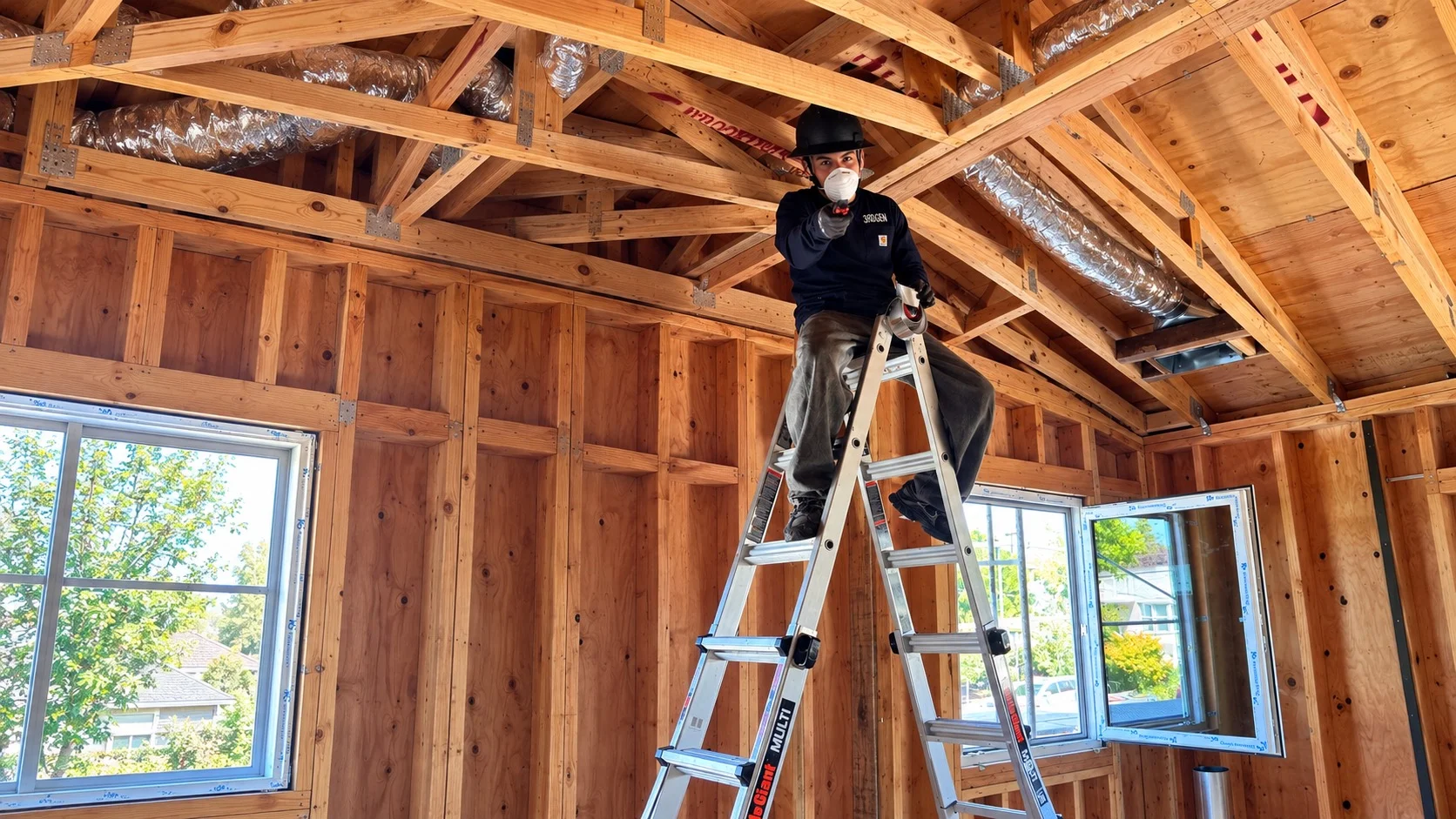
For homeowners who want quiet, whole-home comfort with minimal visual impact. We design air-handler locations, supply and return paths, filter access, and diffuser placement around the remodel’s framing and finishes.
Bay Area Residential HVAC Design-Build
HVAC Designed Around Your Remodel—Not Added After the Fact.
A remodel changes more than finishes. New rooms, altered layouts, opened ceilings, upgraded insulation, and tighter construction all change how your home should be heated, cooled, and ventilated. 3rdGen designs and installs integrated HVAC systems for major Bay Area renovations, additions, and high-performance homes.
We coordinate with your architect, designer, and builder to place equipment, routes, returns, grilles, and fresh-air ventilation before the walls are closed—so the finished home feels intentional, comfortable, and clean.
Project Inquiry
Thanks — your project details are on their way to 3rdGen. We’ll review them and follow up about the next step.
Strategy
Many older Bay Area homes were never designed for modern comfort. Rooms run hot or cold, returns are poorly located, ductwork consumes valuable space, and existing systems may no longer match the home after an addition or renovation.
The right time to solve those issues is during design and framing—not after drywall, cabinetry, and finish work are complete.
We evaluate the new floor plan, existing conditions, architectural priorities, and construction sequence to develop a system that works with the remodel.
What changes in a remodel
What we design around it
Added or reconfigured rooms
Correct zoning and equipment capacity
Open ceilings or exposed beams
Discreet routing and grille placement
New windows and insulation
Updated heating and cooling needs
Tighter building envelope
Ventilation and filtration strategy
Limited mechanical space
Equipment location and service access
Historic or older-home constraints
Low-impact distribution options
Systems
01
For homeowners who want quiet, whole-home comfort with minimal visual impact. We design air-handler locations, supply and return paths, filter access, and diffuser placement around the remodel’s framing and finishes.
02
A strong fit where duct routing is limited, additions need independent comfort, or the home benefits from room-by-room zoning. Wall-mounted units, ceiling cassettes, and concealed ducted zones can all be considered based on the architecture.
03
New square footage may need a dedicated system, an expanded whole-home strategy, or a separate zoned solution. We determine the right approach rather than tying new space into an already strained system. If the ADU is the project, use ADU HVAC.
04
As a remodel tightens the building enclosure, fresh-air strategy matters. We can incorporate ERVs, balanced ventilation, upgraded filtration, and kitchen and bath exhaust coordination for healthier, more resilient indoor air.
Explore VentilationProcess
01
We review the architectural set, existing conditions, comfort concerns, mechanical-space options, and construction schedule.
02
We recommend a clear best-fit system—ducted, ductless, or hybrid—along with zoning, equipment locations, ventilation needs, and major routing considerations.
03
We work through framing, structural, electrical, plumbing, cabinetry, ceiling, and access conflicts before they become expensive field changes.
04
The system is installed in sequence with the build: rough-in while the structure is open, then trim, startup, and commissioning as the project approaches completion.
05
We verify operation, controls, airflow, and homeowner handoff so the system is ready to perform from move-in.
Coordination
Equipment needs proper clearance, drainage, filtration access, and future serviceability. We help establish that space early.
We coordinate routes through joists, soffits, crawlspaces, attics, and wall cavities while protecting ceiling heights and architectural intent.
Air needs a path back—not just a supply register. We plan locations that support balanced airflow without compromising the room.
Equipment selection, duct sizing, return design, and diffuser selection all affect how quiet the house feels.
Heat-pump power requirements, disconnects, condensate drainage, and exterior equipment placement are addressed as part of the construction coordination.
We plan visible components—linear diffusers, ceiling grilles, wall heads, controls, and exterior line-hide—to fit the finished home.
Best fit
The earlier mechanical decisions are made, the more options the project retains for performance, appearance, and cost control.
Remodels that use Mitsubishi equipment are designed and installed as Mitsubishi heat-pump systems by a Diamond Contractor — not as a catalog add-on after finishes are chosen.
The 3RDGEN difference
A new HVAC system should be based on what your home actually needs, not simply the size of the equipment that happened to be there before.
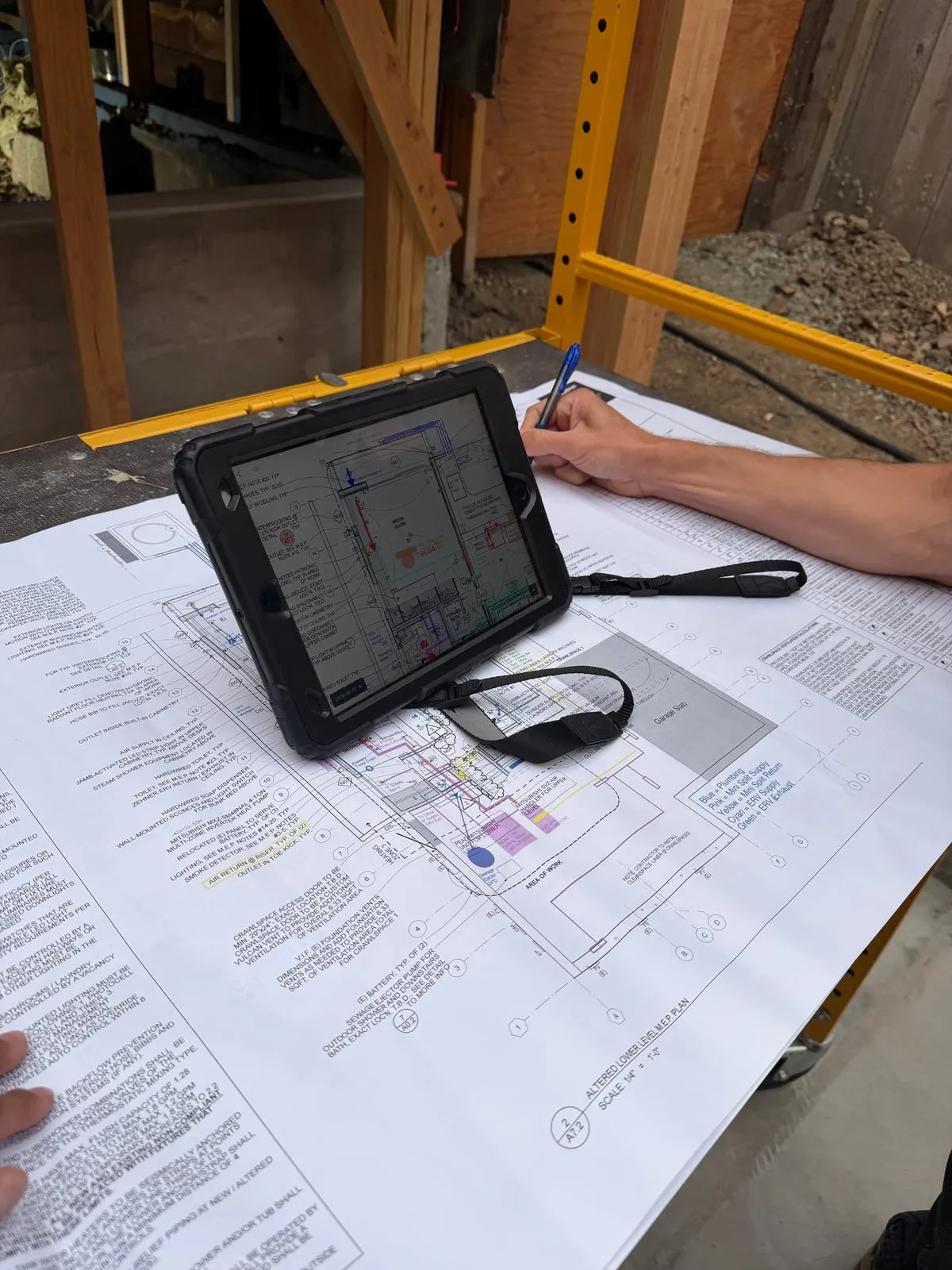
We evaluate how your home gains and loses heat so the system matches the house, not a rule of thumb.
We choose heating and cooling equipment that fits those needs without oversizing.
We plan how air moves through the home so rooms feel balanced and comfortable.
We install the system, start it up, and verify it is working the way it should before we call the job finished.
You do not need to become an HVAC expert. That is our job. We use the technical work to give you a better finished system.
How We Design SystemsOur Field Projects
How it goes
One team from the first call to the last: a trained, tested system, not a project that gets handed off three times along the way.
01 Tell us what you’re planning
Three questions in the form, or a phone call. You tell us the house and the goal; we tell you whether we are the right shop for it.
~40 seconds
02 We review the home and project
A site visit with the person who will design the system: ducts, panel, equipment locations, and the rooms that never feel right.
60-90 min
03 Receive a recommendation and proposal
A written scope: equipment, capacity, distribution, electrical work, and what is included, in plain language you can compare against other bids.
Within 5 days
04 Permitting and installation
We handle permits, Title 24, and inspections, and coordinate with your electrician so no one is waiting on anyone.
2-5 days on site
05 Startup and final testing
We start the system, verify airflow and performance, register the warranty, and walk you through operating it.
Same week
FAQ
Common questions on remodel HVAC coordination.
As early as possible — ideally during design development, before framing and finish decisions lock in. Moving a chase, soffit, or equipment room after drywall is expensive. Early mechanical input protects routing, access, and architectural intent.
Yes. Many remodel scopes are architect-led or builder-led. We coordinate equipment placement, duct and lineset routes, ventilation, electrical needs, and sequencing with your project team so conflicts get solved before walls close.
No. This page is for remodels and additions where HVAC has to integrate with the construction project. If the driver is an aging system and a major remodel is not part of the job, use Full-System HVAC Replacement.
If electrification or a furnace-to-heat-pump conversion is the main decision and a remodel is not driving the scope, use Heat Pump Installation. If the heat pump is part of a remodel or addition, stay here — we still design the system around the project.
No. New homes belong on HVAC for New Construction. Accessory dwellings, garage conversions, and JADUs belong on ADU HVAC. This page covers renovations and additions in an existing home.
Our focus is design-build. Load calculations support systems we install. For formal standalone design/load-calculation scope, see Manual J Load Calculations — and expect a project-tied path, not a cheap report-for-hire shop.
We do, as part of the mechanical scope. Permits, Title 24, and inspections are coordinated with the remodel schedule — not left as a surprise at the end.
Startup, handoff, and warranty support on what we design and install, yes. We are not a repair or emergency dispatch company for unrelated breakdowns.
In most homes, yes. Whether your home has existing ducts or not, we’ll help determine the right approach.
No. We evaluate the home and recommend the approach. You do not need to become an HVAC expert. That is our job.
We review the home and the project, then send a recommendation with scope and pricing: what we recommend, why, and what it includes.
Most straightforward replacements take a few days on site. Remodels, ductwork changes, and new construction follow the project schedule. We confirm timing once we review the home and scope.
Project Inquiry
Thanks — your project details are on their way to 3rdGen. We’ll review them and follow up about the next step.