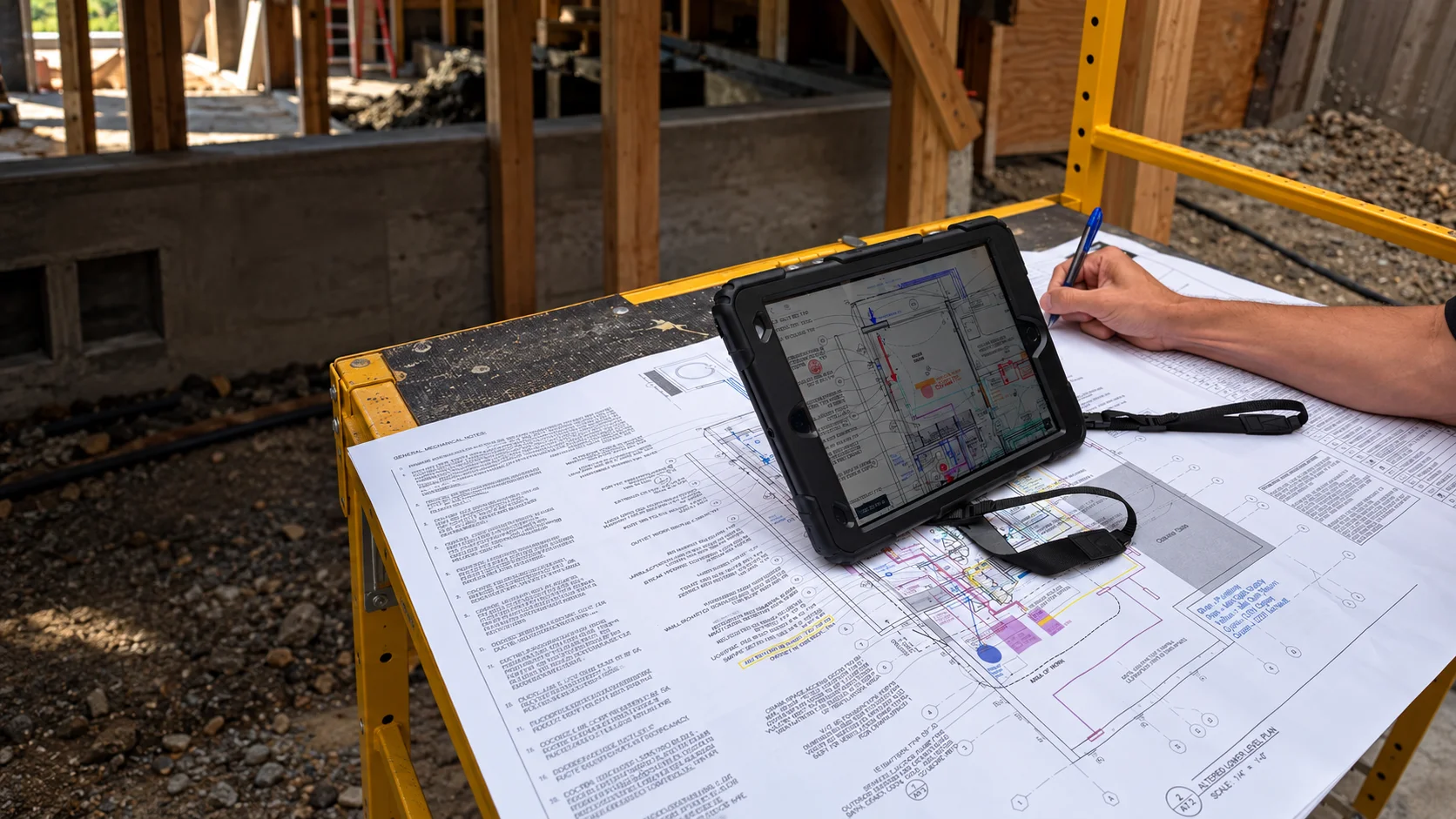
Manual J
Heating & cooling loads
Room-by-room loads from the envelope, windows, orientation, and local climate — not the old nameplate or a square-footage guess.
In-house engineering
Load calculations and system design for Bay Area HVAC projects — sized to the house, not a square-footage rule of thumb. We do this as part of the install we own, not as a cheap standalone report for shoppers.
Manual J · S · D
Manual J finds the load. Manual S matches the equipment. Manual D plans the ducts and airflow. Together they keep comfort decisions tied to the actual home.
Manual J
Room-by-room loads from the envelope, windows, orientation, and local climate — not the old nameplate or a square-footage guess.
Manual S
Capacity matched to calculated loads so the system can meet the house without short-cycling or underserving hard rooms.
Manual D
Duct sizing, layout, and airflow paths planned so conditioned air reaches each room at the right pressure and volume.
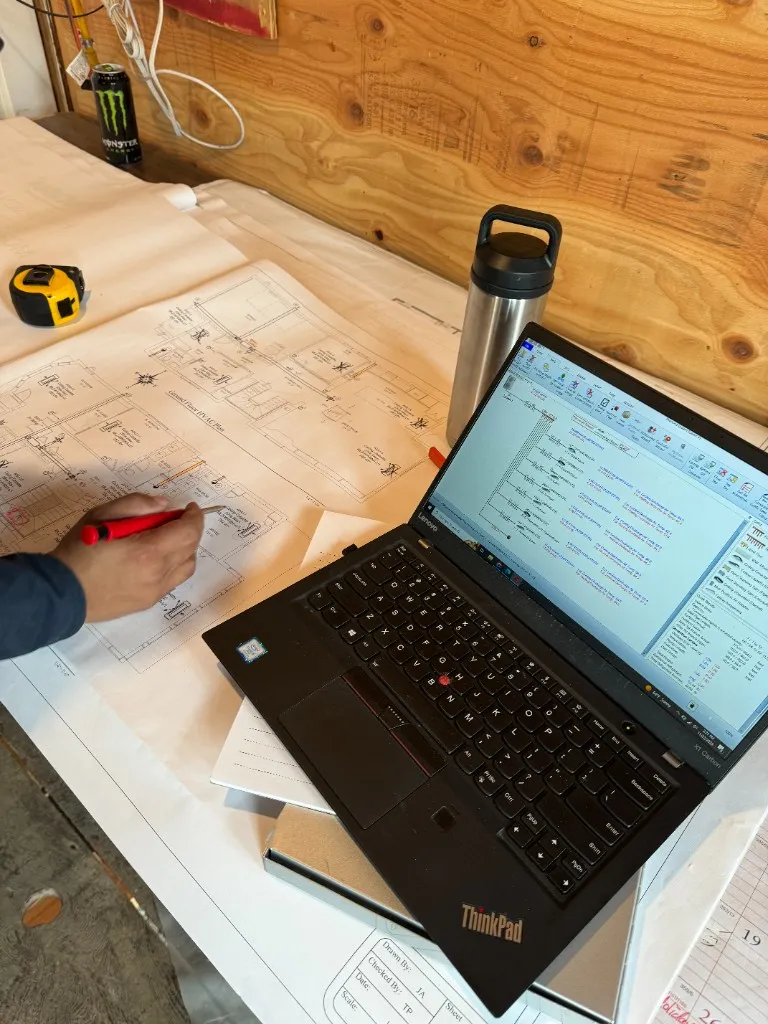
How we design
Plain process first. Manual J, Manual S, and Manual D are the professional standards behind it — the same team that designs the system installs it.
01
Manual J
We look at how the house gains and loses heat room by room — not the old equipment label or a square-footage rule of thumb. Manual J is the load-calculation standard behind this step.
02
Manual S
We choose capacity and equipment that can meet the calculated loads without oversizing. Manual S is the equipment-selection standard behind this step.
03
Manual D
We plan ducts, returns, and airflow so conditioned air reaches the rooms that need it. Manual D is the duct and airflow standard behind this step.
04
Same crew
The team that ran the design builds the system, starts it up, and checks that it performs the way the plan intended — not a handoff to another contractor.
Inputs & outcomes
A useful design starts with the right house details and ends in clear install decisions.
What's included
When it applies
Full design work is for projects where the house or the scope is changing — remodels, additions, new construction, duct redesign, equipment moves, zoning, ventilation, or ongoing comfort issues. It is not required for every straightforward like-for-like replacement.
FAQ
Straight answers on load calculations, system design, and what happens after you reach out.
Manual J is the ACCA standard for calculating heating and cooling loads room by room from your home’s envelope, windows, orientation, and local climate — not square-footage rules of thumb. We use it to size equipment and duct systems for real Bay Area conditions.
Square-footage rules ignore insulation, window area, shading, air leakage, and how the home actually gains and loses heat. Oversized equipment short-cycles, wastes energy, and struggles with comfort. Manual J matches capacity to measured loads.
Manual S selects HVAC equipment that matches Manual J loads without oversizing. Manual D sizes and lays out duct systems for proper airflow and static pressure. Together with Manual J, they form the design backbone of our installs.
No. Our focus is design-build installation. Full Manual J is a paid deliverable when it supports a project we are contracted to execute — not a standalone report-for-hire service for someone else’s install.
When the project warrants it — replacements, heat pump conversions, remodels, and new construction where sizing, ducts, or documentation matter. We use CoolCalc or Wrightsoft and keep the outputs for permits, Title 24, and rebate packages.
Yes. We regularly coordinate with architects and GCs during design development — especially on remodels and new construction where envelope changes drive load shifts.
No. Manual J / S / D here means ACCA-standard HVAC design support for systems we install. It is not a PE stamp or third-party engineering service.
Tell us about the house and what you are planning. We review whether a Manual J/S/D-backed design-build path fits, then outline the next step — usually a project conversation, not a calc-only quote.
In most homes, yes. Whether your home has existing ducts or not, we’ll help determine the right approach.
No. We evaluate the home and recommend the approach. You do not need to become an HVAC expert. That is our job.
Yes. We handle permits where needed and install with one crew that already knows the plan, not a handoff to a separate install company.
Yes. When a remodel or new build includes an architect or contractor, we coordinate directly with the project team.
We review the home and the project, then send a recommendation with scope and pricing: what we recommend, why, and what it includes.
Most straightforward replacements take a few days on site. Remodels, ductwork changes, and new construction follow the project schedule. We confirm timing once we review the home and scope.
Project Inquiry
Thanks — your project details are on their way to 3rdGen. We’ll review them and follow up about the next step.