01
Furnace-to-Heat-Pump Conversions
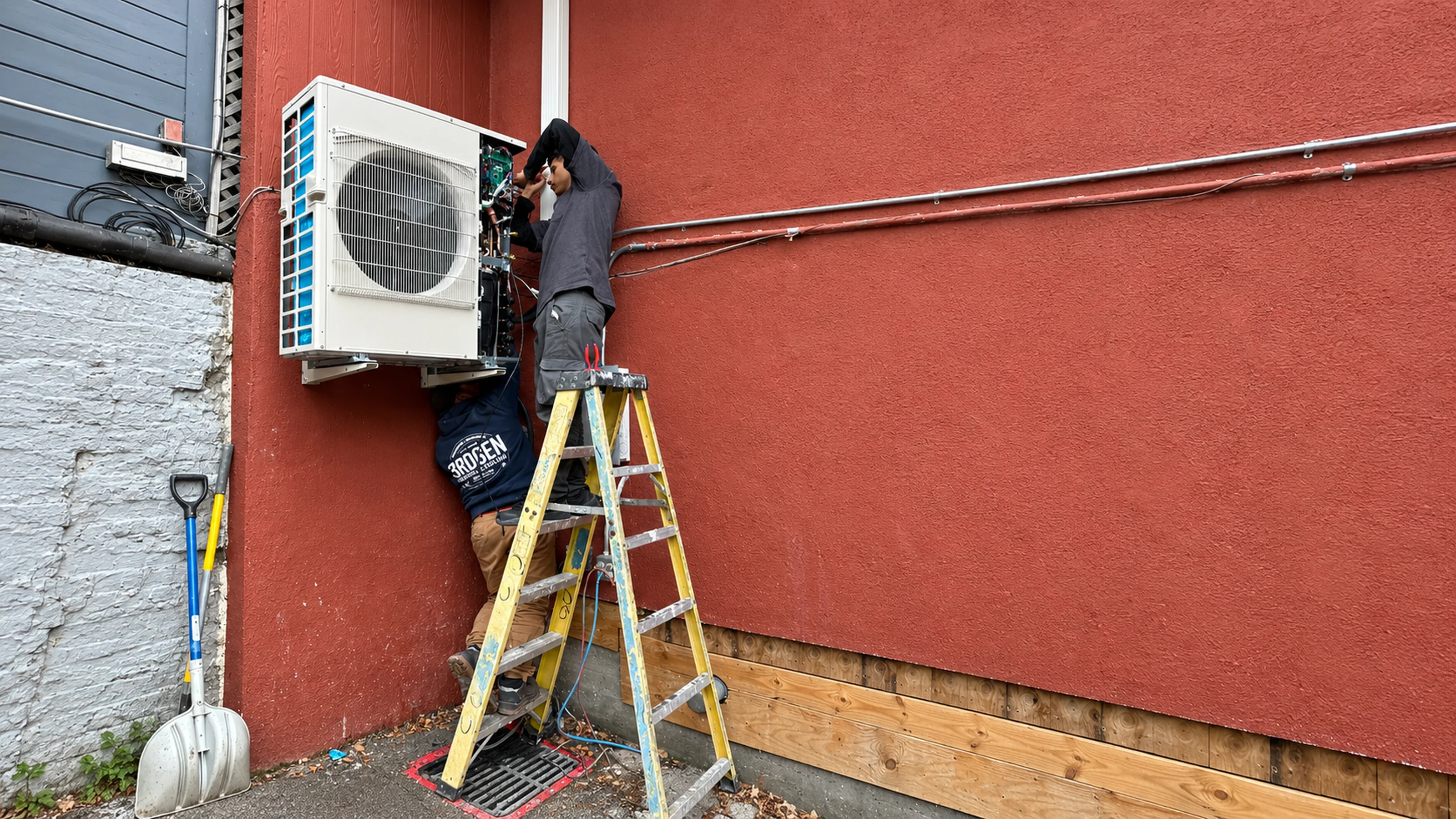
Gas-to-electric upgrades planned around your ducts, electrical capacity, and how the house actually loses and gains heat. We do not treat the old furnace label as the design.
Heat pump installation
Designed for This House—Not Copied Off the Furnace Label.
You already know a heat pump is the direction. 3rdGen designs and installs furnace-to-heat-pump conversions, gas-to-electric upgrades, and new ducted or ductless systems sized for how your Bay Area home actually performs.
We plan capacity, distribution, equipment placement, and electrical coordination before anyone orders equipment—so the system heats, cools, and fits the house you have.
Project Inquiry
Thanks — your project details are on their way to 3rdGen. We’ll review them and follow up about the next step.
Strategy
A lot of heat-pump quotes start from the nameplate on the existing furnace. That number is not a design. It does not know your ducts, your rooms that never get comfortable, or whether the panel can carry the new load.
The right time to settle those questions is before equipment is ordered—not after a same-size swap is already hanging on the pad.
We evaluate the envelope, existing distribution, electrical capacity, and how you actually live in the house, then recommend a heat-pump system that belongs here.
What you are deciding
What we design around it
Furnace conversion vs a new system
Capacity from a load calculation on this envelope
Ducted, ductless, or mixed
Distribution that matches the architecture and the ducts you have
Panel capacity and electrical work
Electrical reviewed before we promise a path
Winter heat and inland summer spikes
Equipment selected for Bay Area heating and cooling loads
Uneven rooms or weak returns
Airflow and zoning—not just a new outdoor unit
Rebates, Title 24, and permits
Documentation as part of design-build, not a paper chase later
Systems
01
Gas-to-electric upgrades planned around your ducts, electrical capacity, and how the house actually loses and gains heat. We do not treat the old furnace label as the design.
02
A properly designed heat pump replaces separate furnace and AC roles with year-round comfort. We size, place, and commission one system that heats and cools the home you live in.
03
Existing ducts when they work. Ductless or hybrid layouts when they do not. We match distribution to the house, not to whatever is easiest to hang.
04
Panel capacity is reviewed early. Permit, Title 24, rebate documentation, and inspection coordination stay with the same design-build team that sizes the equipment.
Process
01
We review the house, existing equipment, comfort problems, and whether a heat pump is actually the right path—or whether you belong on full-system replacement instead.
02
Capacity comes from a load calculation on this house, not square-footage rules of thumb or the nameplate on the furnace being removed.
03
We settle ducted vs ductless, outdoor-unit siting, line-set routes, and panel work before equipment is ordered.
04
The same team installs, commissions, and walks you through the system—including filters, controls, and what to expect in the first season.
Coordination
We select capacity and model from calculated heating and cooling loads so the system can actually heat the house in winter.
Leaky runs, starved returns, and rooms that never catch up are often why the old system felt bad. New equipment alone rarely fixes that.
Pad location, line-hide, clearances, and neighbor noise are designed with the architecture—not dropped where the old condenser sat.
Heat-pump loads, disconnects, and panel or subpanel work are planned with your electrician before install day.
Thermostats, heads, and zone strategy are chosen for how you use the house, not a one-thermostat default.
We retain the load-calc and equipment docs jurisdictions and incentive programs commonly require.
Best fit
If electrification, a furnace conversion, or a new heat-pump system is the decision, start here. If the whole system needs to go and you have not chosen the technology yet, use Full-System HVAC Replacement.
Available rebates and incentives may help offset qualifying heat-pump project costs. Financing is optional during the proposal.
When the equipment is Mitsubishi Electric, we design and install it as a Mitsubishi Electric Diamond Contractor .
The 3RDGEN difference
A new HVAC system should be based on what your home actually needs, not simply the size of the equipment that happened to be there before.
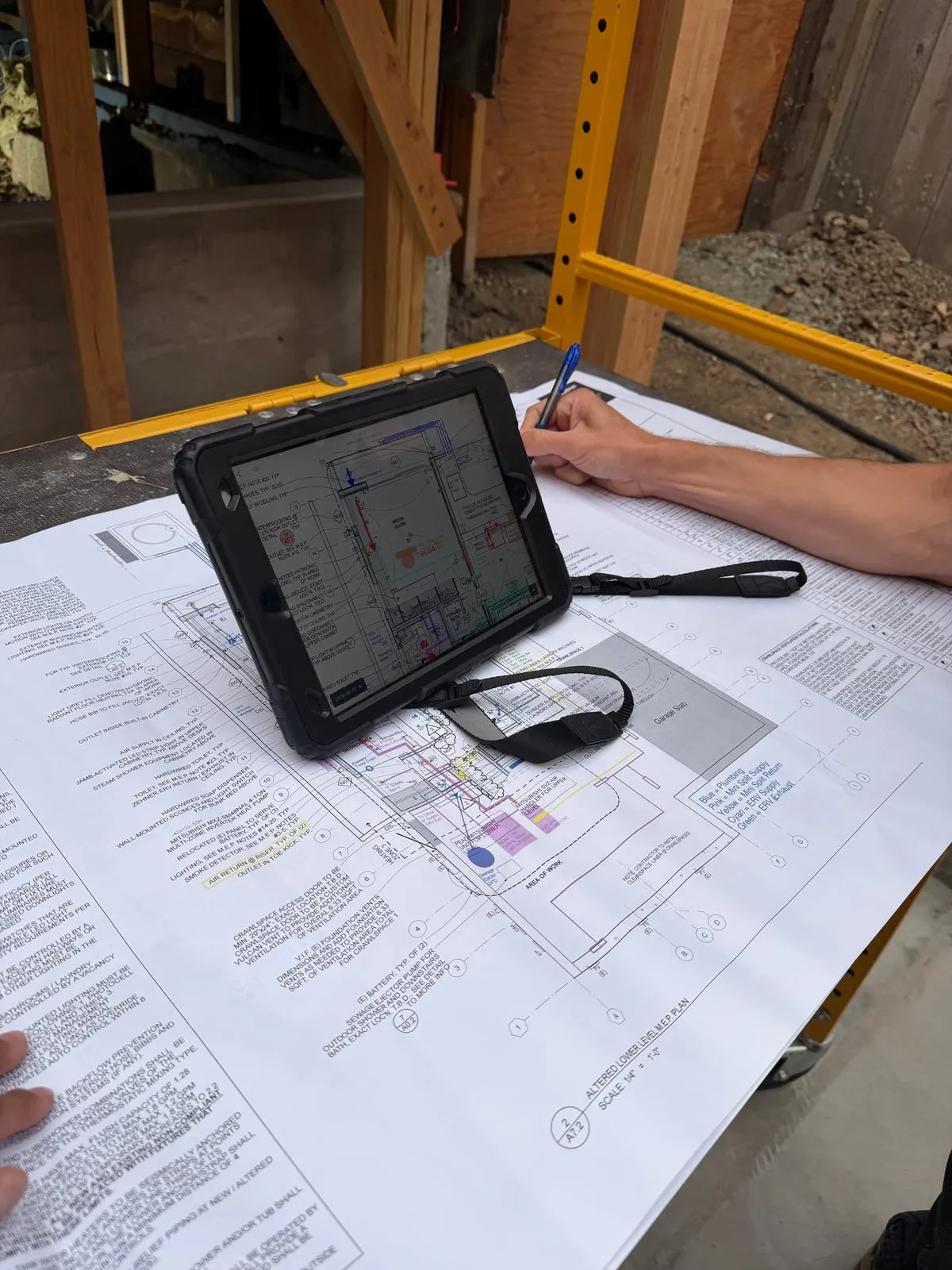
We evaluate how your home gains and loses heat so the system matches the house, not a rule of thumb.
We choose heating and cooling equipment that fits those needs without oversizing.
We plan how air moves through the home so rooms feel balanced and comfortable.
We install the system, start it up, and verify it is working the way it should before we call the job finished.
You do not need to become an HVAC expert. That is our job. We use the technical work to give you a better finished system.
How We Design SystemsMitsubishi Electric
As a Mitsubishi Electric Diamond Contractor, we design and install ducted, ductless, and multi-zone systems for Bay Area homes, with factory-trained crews and longer warranty options on qualifying residential installs.
Mitsubishi is not automatically the answer to every home. We start with what the project requires and recommend the system that makes sense.
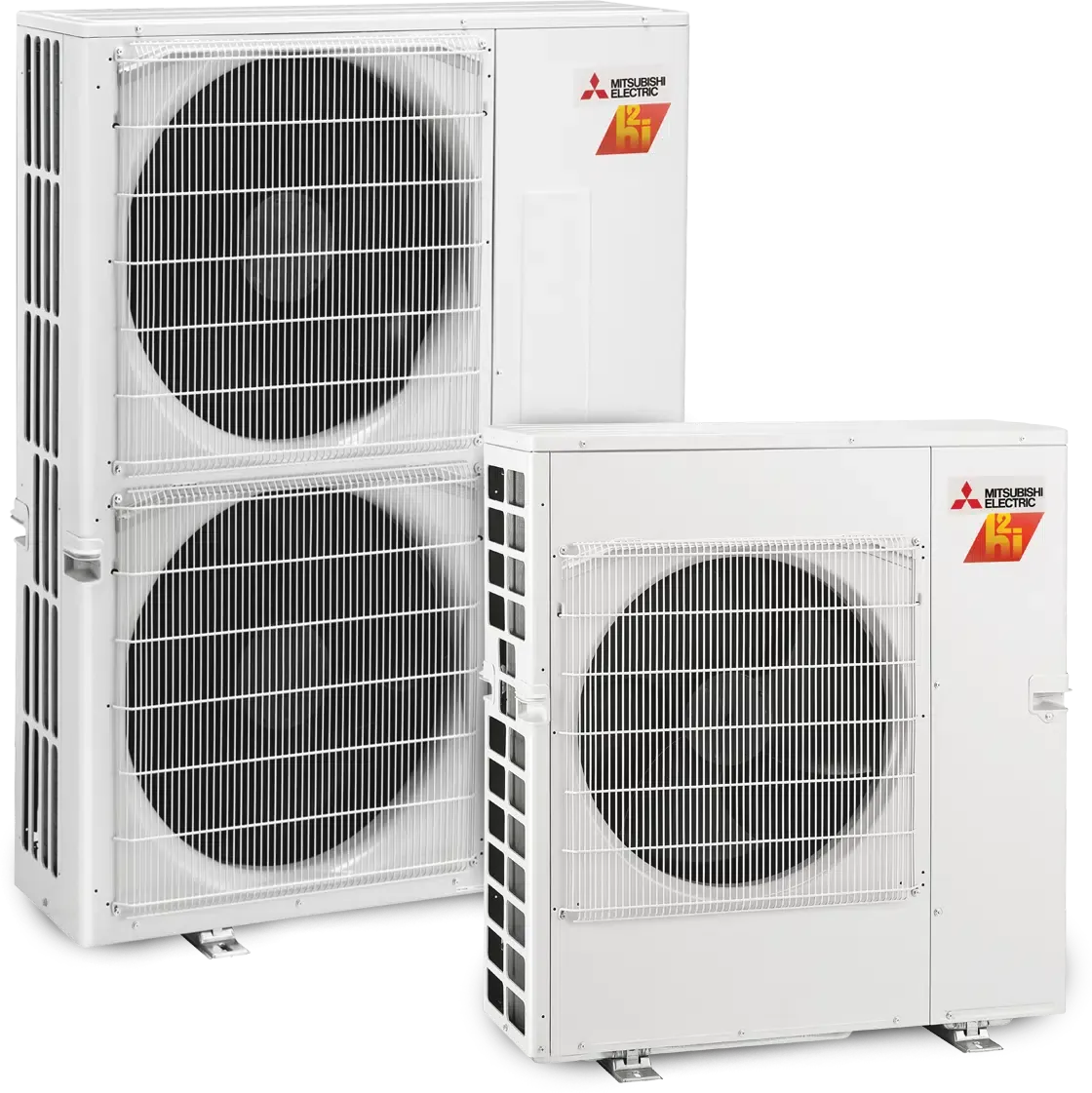


12 Year Parts &
Compressor Warranty
Extended parts & compressor coverage on qualifying Diamond installations.
Ongoing manufacturer training on the latest hyper-heat systems.
Direct factory escalation if anything ever needs attention.
Our Field Projects
How it goes
One team from the first call to the last: a trained, tested system, not a project that gets handed off three times along the way.
01 Tell us what you’re planning
Three questions in the form, or a phone call. You tell us the house and the goal; we tell you whether we are the right shop for it.
~40 seconds
02 We review the home and project
A site visit with the person who will design the system: ducts, panel, equipment locations, and the rooms that never feel right.
60-90 min
03 Receive a recommendation and proposal
A written scope: equipment, capacity, distribution, electrical work, and what is included, in plain language you can compare against other bids.
Within 5 days
04 Permitting and installation
We handle permits, Title 24, and inspections, and coordinate with your electrician so no one is waiting on anyone.
2-5 days on site
05 Startup and final testing
We start the system, verify airflow and performance, register the warranty, and walk you through operating it.
Same week
FAQ
Straight answers about heat pump installs, design, and what happens after you reach out.
Yes, when it is designed for the house. Bay Area winters sit well inside the operating range of modern inverter heat pumps, and we select capacity from a load calculation on your envelope, not from the old furnace nameplate. Where a house needs it, we design a backup or dual-fuel strategy rather than oversizing.
Sometimes. A heat pump can add meaningful electrical load. We review your panel capacity early, coordinate with your electrician when an upgrade or subpanel is needed, and design the mechanical scope so electrical work is planned, not discovered mid-install.
It depends on existing ducts, zoning goals, and how the house is built. We evaluate both and recommend ducted, ductless, or a mixed layout based on the home, not what is easiest to hang.
Most straightforward replacements take a few days on site. Furnace conversions, duct changes, and remodel-tied installs follow the project schedule. We confirm timing once we review the home and scope.
We do. Permit, Title 24, and inspection coordination are part of design-build, not a surprise add-on at the end. We retain the load-calc and equipment documentation jurisdictions and rebate programs commonly require.
We stand behind the install: startup, handoff, and warranty support on the systems we design and put in. We are not a repair or emergency dispatch company for unrelated breakdowns. If you need that path, we will say so clearly.
We bid the designed scope: equipment selected for calculated loads, distribution that fits the house, and the coordination work required to finish cleanly. A lower same-size box swap is a different product. We explain what is included so you can compare apples to apples.
Use Full-System HVAC Replacement. This page is for homeowners who have substantially decided on heat-pump technology. If a remodel or addition is driving the mechanical work, use HVAC for Remodels.
In most homes, yes. Whether your home has existing ducts or not, we’ll help determine the right approach.
Yes. When a remodel or new build includes an architect or contractor, we coordinate directly with the project team.
We review the home and the project, then send a recommendation with scope and pricing: what we recommend, why, and what it includes.
Project Inquiry
Thanks — your project details are on their way to 3rdGen. We’ll review them and follow up about the next step.