How hot should I plan for in Livermore?
ACCA lists 95°F as the 1% cooling design temperature, with 33°F for heating. We use those, plus your home’s actual windows, shading and attic, in the load calculation.
RESIDENTIAL HVAC · LIVERMORE, CA
Livermore’s summer design temperature is about 95°F. We size heat pumps for that heat, check how they perform at it, and fix the attic or crawlspace ducts that hold comfort back.
Remodels · Retrofits · Heat Pumps · Multi-Zone Systems
Project Inquiry
Thanks — your project details are on their way to 3rdGen. We’ll review them and follow up about the next step.
Livermore services
Hot summers decide most of the work here: replacing aging systems, fixing ducts and adding cooling to places that never had it.
Replace
Furnace and AC replaced by a heat pump selected for capacity at 95°F, not just for its nominal tonnage.
Replacement & conversionEfficiency
Sealing, insulating or replacing duct runs in attics where summer heat eats the cooling.
Heat pump installationNo ducts needed
Mini-split and multi-zone systems for downtown-area houses with crawlspaces and wall heaters.
Ductless & multi-zoneDetached
Separate small heat pumps for ADUs, shops and guest houses on larger lots.
ADU heating & coolingBuild
Load calculations, equipment rooms and duct layouts delivered with your plan set.
New construction HVACManual J
A written report to verify what size system a Livermore house really needs.
Manual J load calculationsPublished work elsewhere in the East Bay
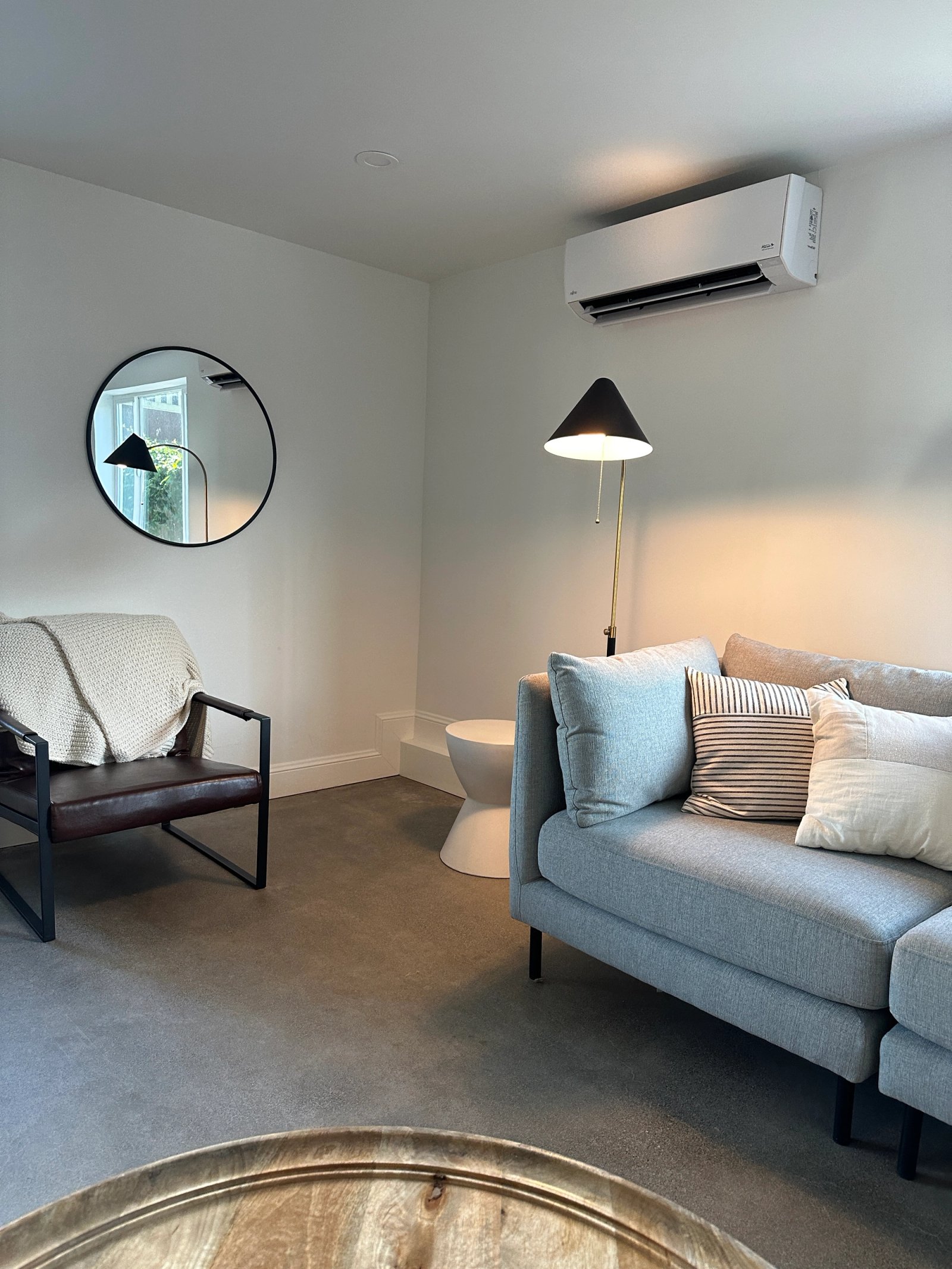
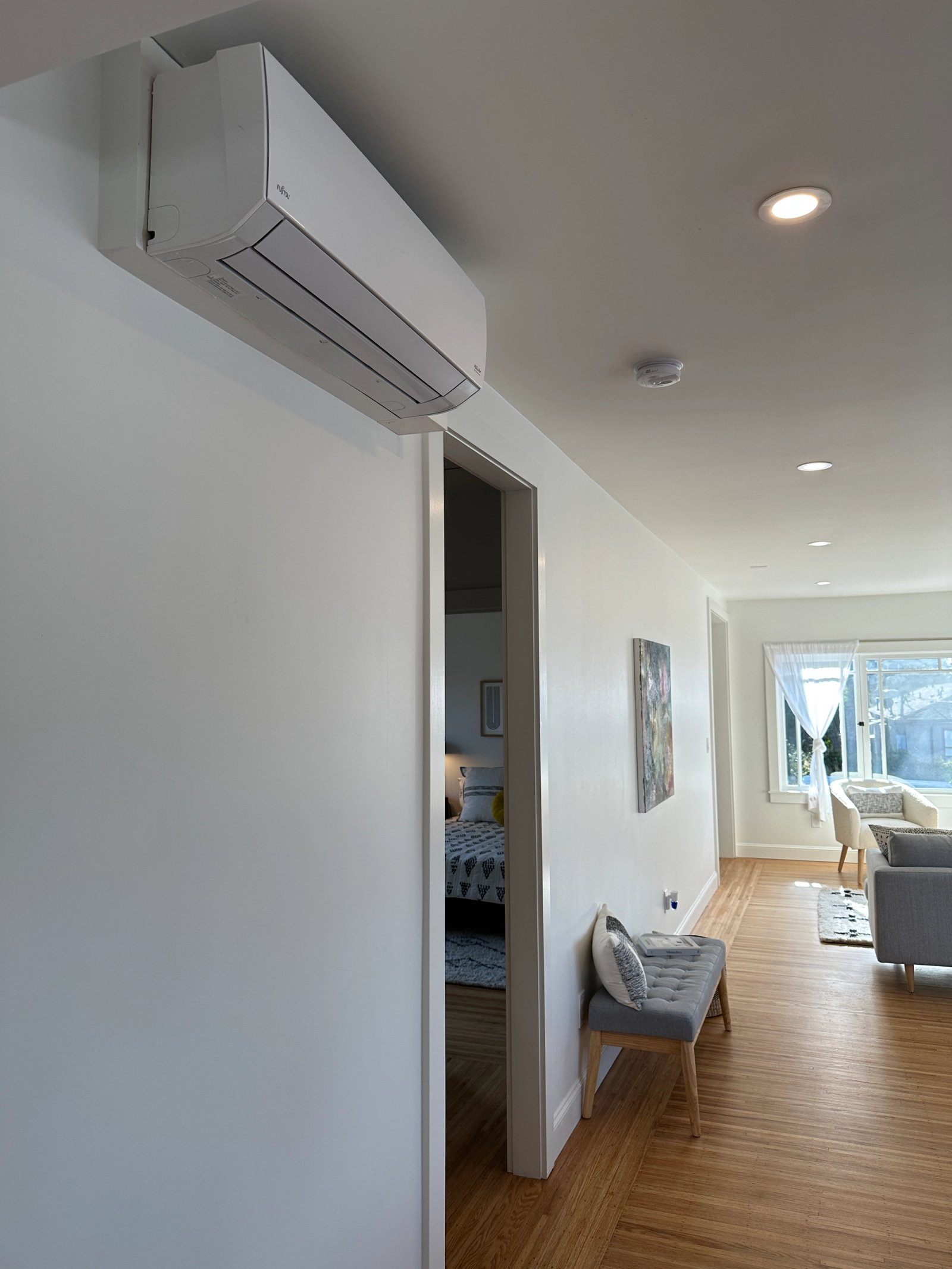
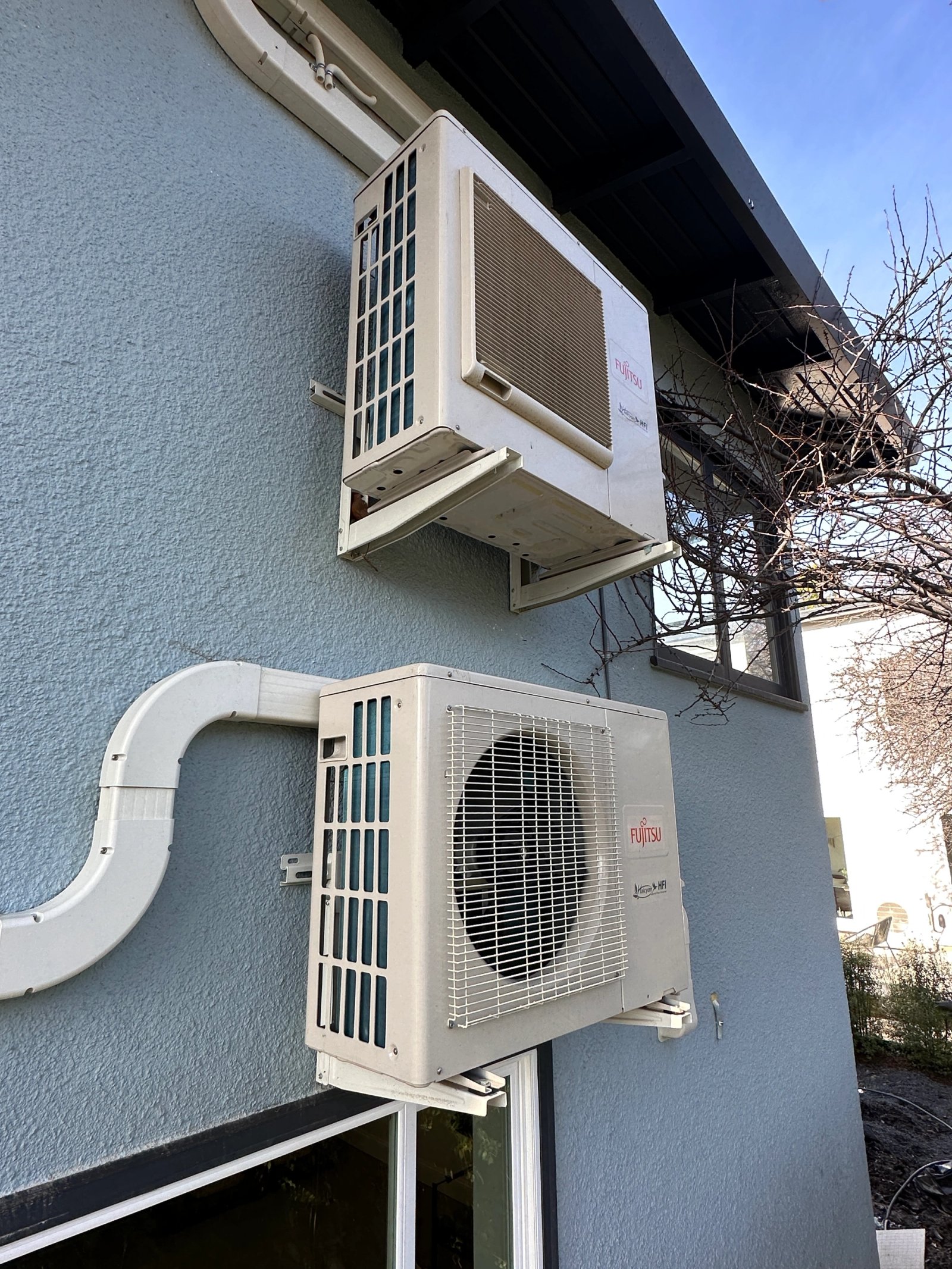
High-end residential remodel
A published Berkeley remodel using a multi-zone ductless heat pump. It is not a Livermore job, but it illustrates our approach to placement, routing and builder coordination.
The six-zone Fujitsu ductless system was installed, permitted, inspected, and completed as part of the home’s remodel-for-sale scope — delivering zoned heating and cooling without a conventional ducted retrofit.
Representative example from a Berkeley, CA remodel, not a project in this city. Photos and full details on the project page.
View projectLocal projects
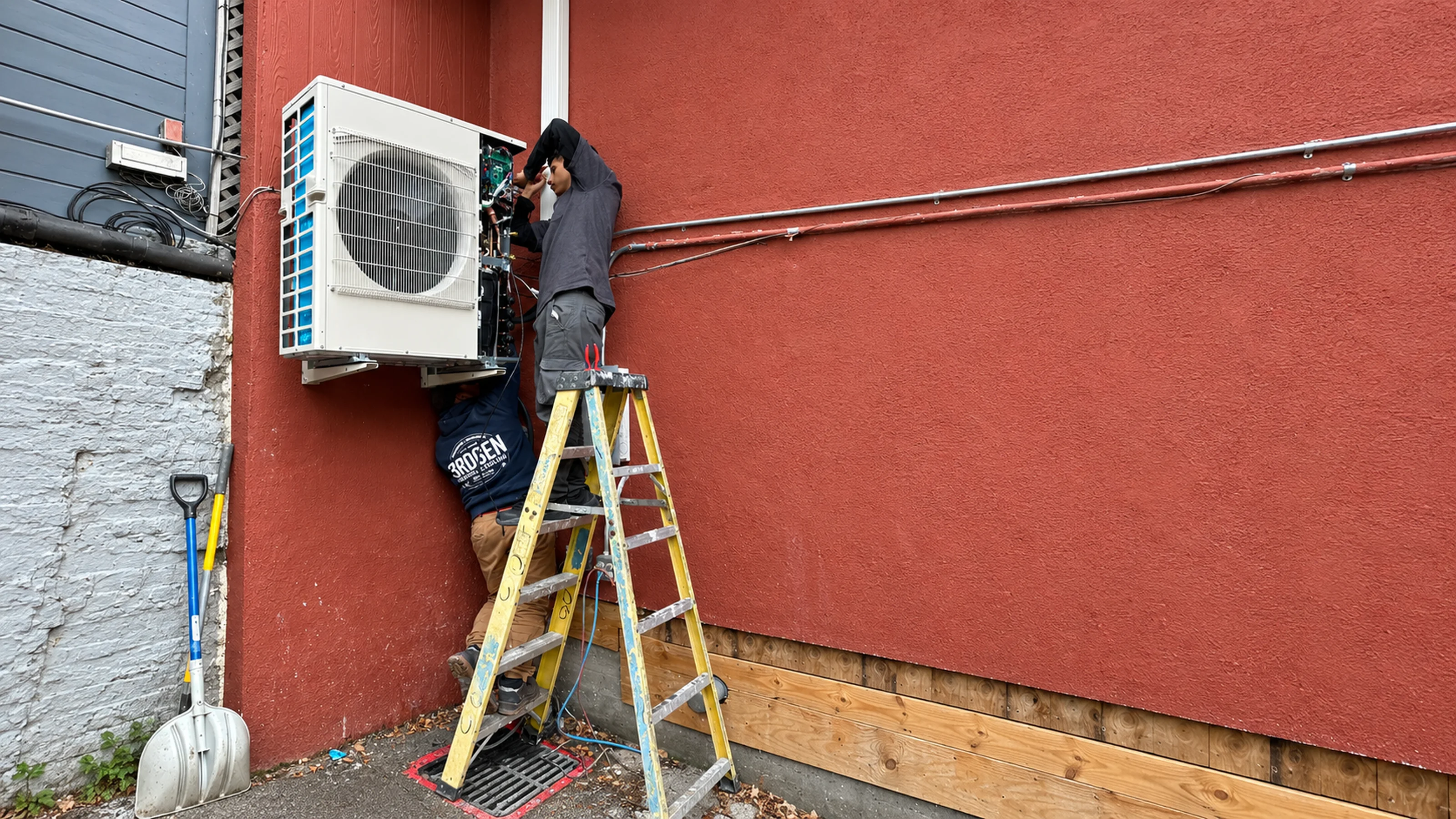
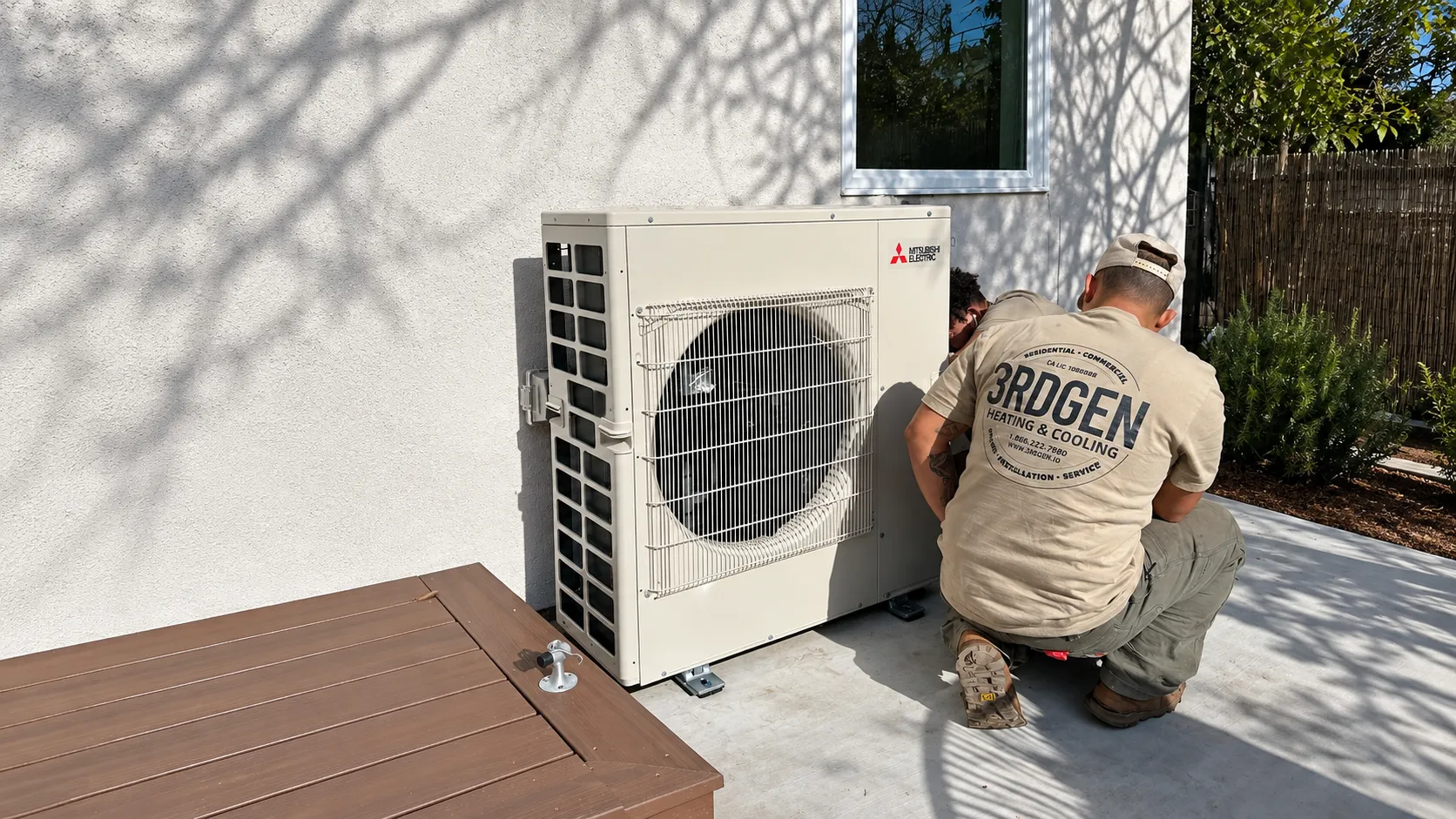
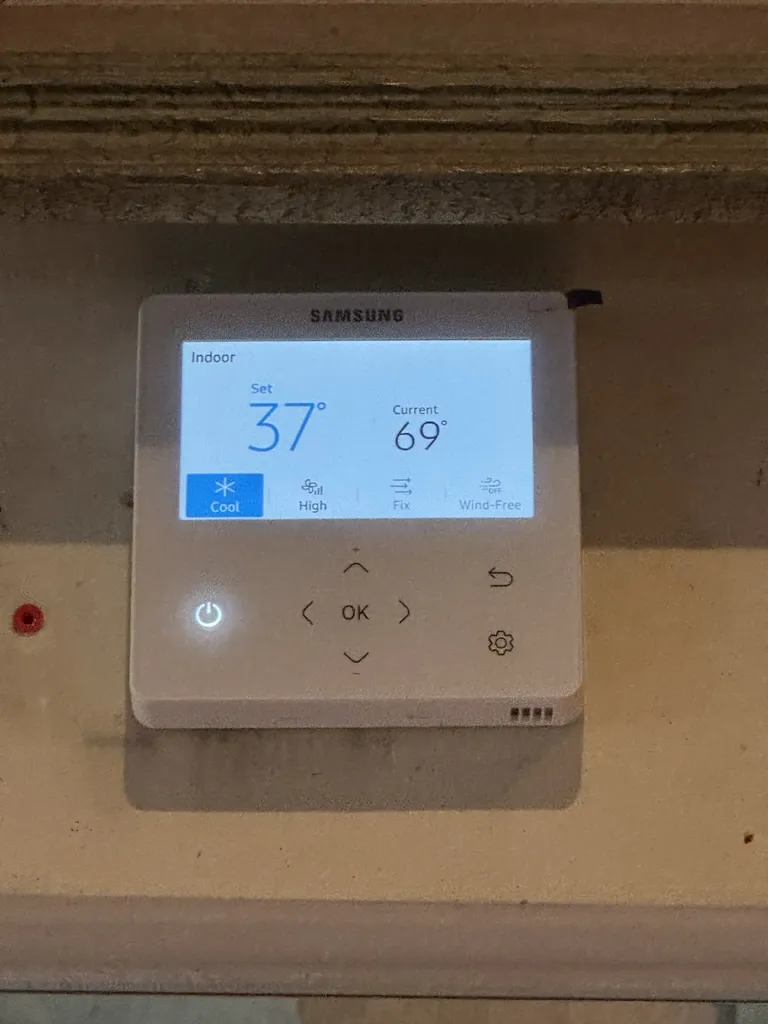
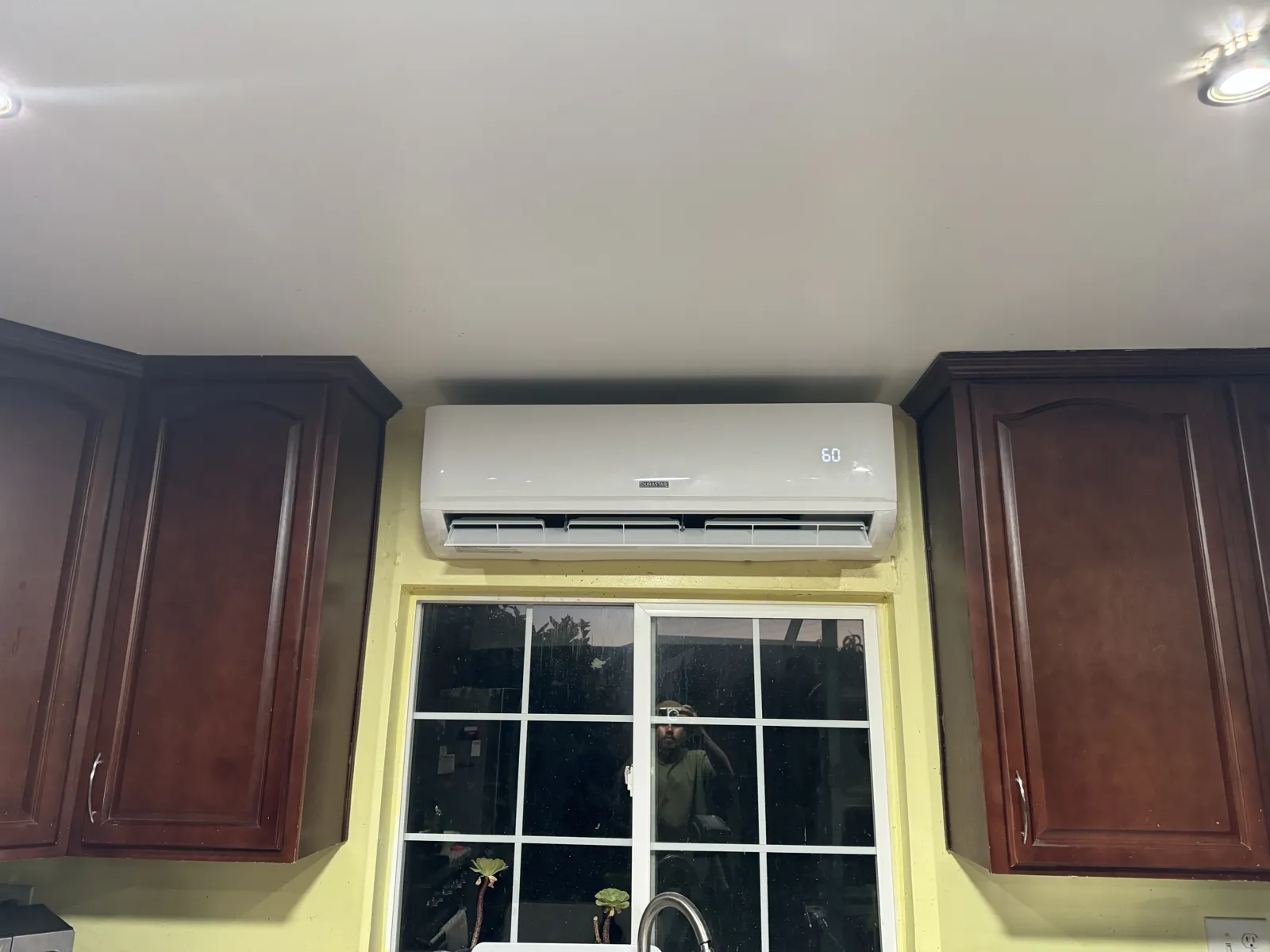
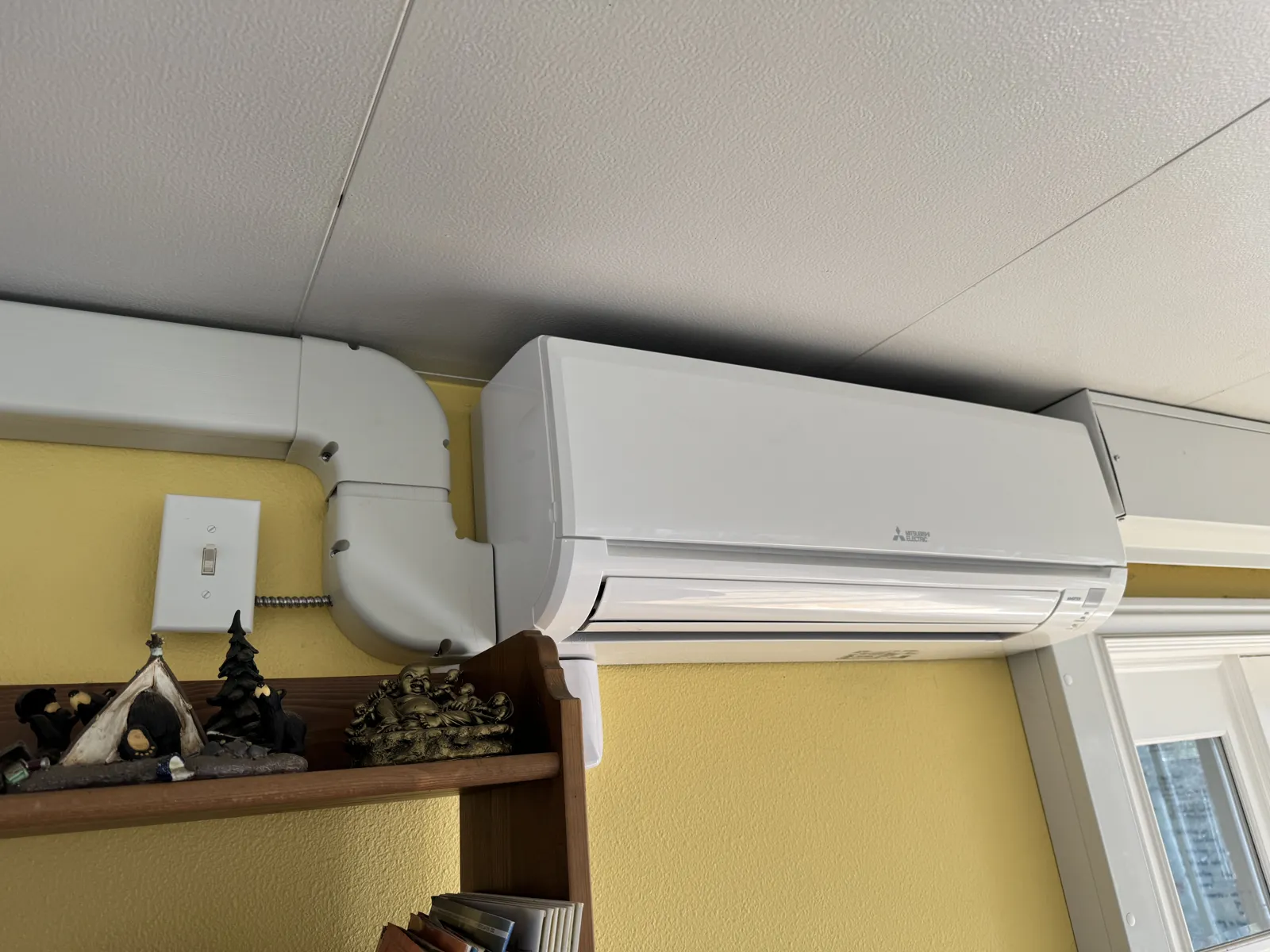
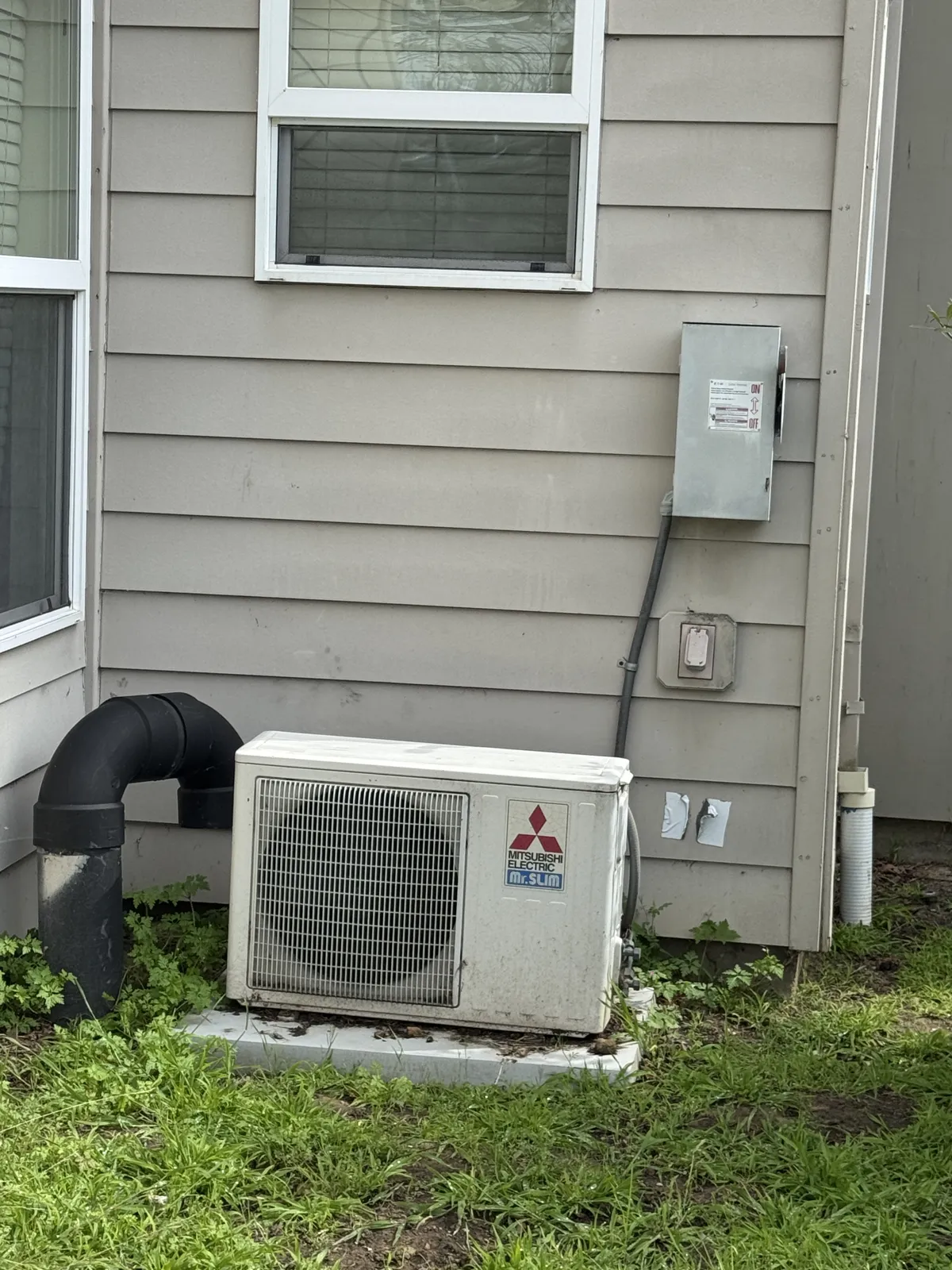
Recent installs by the 3rdGen crew that serves Livermore: ducted and ductless heat pumps, air handlers and ductwork.
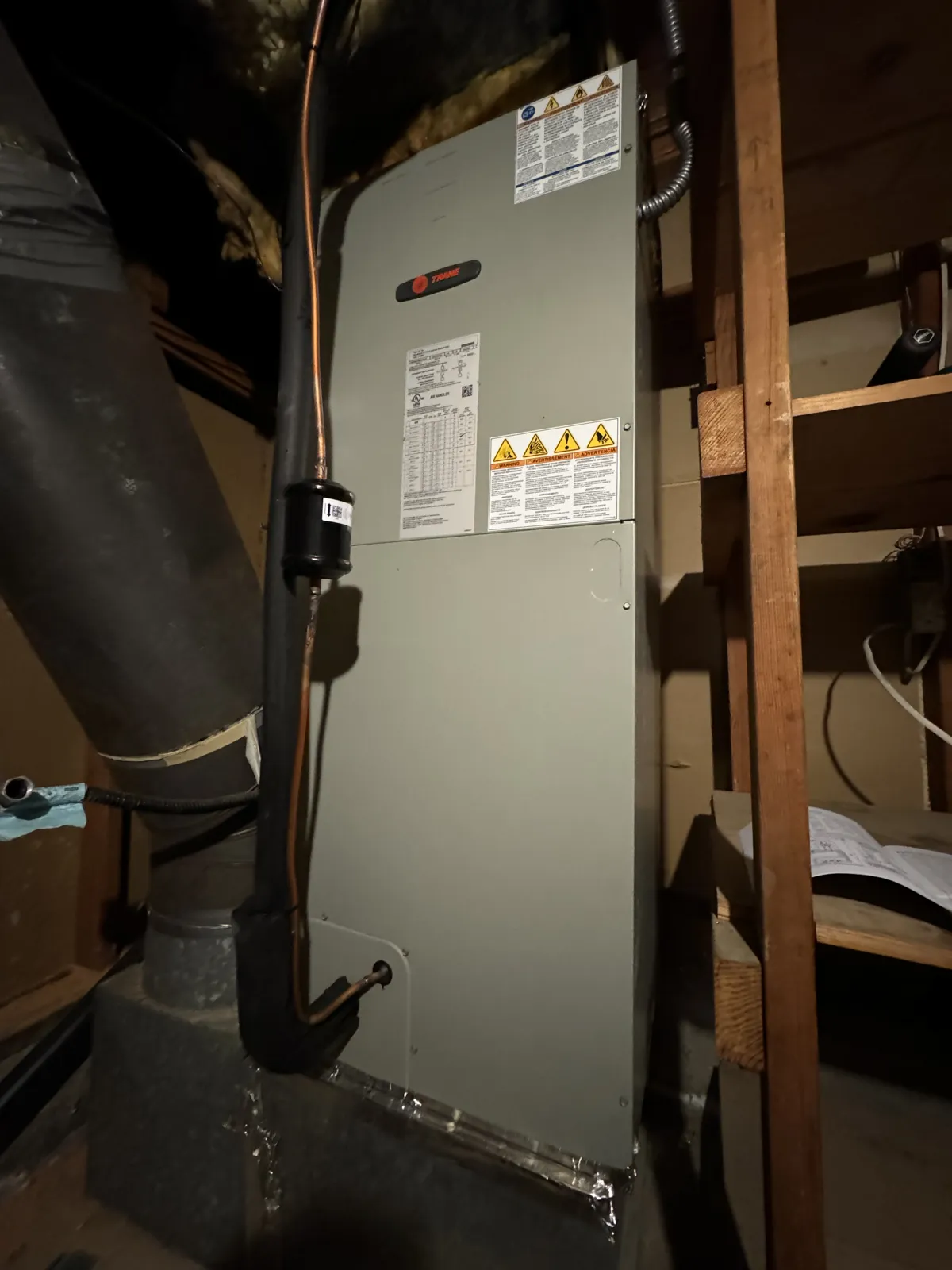
The hot end of the valley
Livermore summers run hot. ACCA design conditions are 95°F for cooling and 33°F for heating, so cooling load, not heating, decides equipment size.
Heat pumps lose some capacity as outdoor temperature rises, so we select against the manufacturer’s data at the design point and not just against the tonnage on the label.
The other factor is the house itself. Older homes near downtown have crawlspaces and wall heaters. Suburban homes have hot attics. Edge-of-town properties have outbuildings. Each calls for a different layout.
We check output at the design temperature so the system handles the real peak.
Flex ducts in a Livermore summer attic degrade and leak. Replacing or sealing them can change comfort more than the new unit.
Crawlspaces and wall furnaces often point toward ductless or compact ducted systems.
Detached rooms usually do better with their own small system than with long duct extensions.
Livermore Valley HVAC
Livermore sits at the east end of the Tri-Valley, where summer afternoons run hotter than in most of the Bay Area. The housing ranges from older homes near the historic downtown to 1970s through 90s subdivisions and larger properties out toward the vineyards. Cooling load usually sets the system size, and the house’s age tells us how hard the ducts are working.
ACCA Table 1 lists Livermore at 33°F for heating and 95°F for cooling. That is a hot summer design number for the Bay Area. Houses with west-facing glass or ducts in a hot attic can see cooling demand that overwhelms a system sized on the typical Bay Area assumption.
ACCA Manual J design data · Livermore, CA (ACCA Table 1)
Older homes around the downtown grid tend to have crawlspaces, smaller footprints and mechanical systems added long after construction. Ducts under the floor and wall furnaces are common, which opens the door to ductless or compact ducted heat pumps.
Suburban neighborhoods from the 1970s to 1990s are mostly one- and two-story houses with attic ducts. Attic temperatures in a Livermore summer are brutal on flex duct, so leakage and insulation are real factors in comfort.
Properties toward the edge of town can have large lots, outbuildings, guest houses and long utility runs. Detached spaces are good candidates for small separate systems rather than extending the main house’s ducts.
We calculate with Livermore’s design temperatures and the house’s real glass, shading and attic. West-facing living rooms and kitchens often dominate the load, and we address them directly.
Equipment must deliver capacity at 95°F outdoors, which many units lose against their nominal rating. We read the manufacturer’s performance data at the design point rather than trusting the tonnage label.
In hot attics we design for short, well-insulated runs, tight sealing and adequate returns. If the old flex is shot, we recommend replacing it even when the equipment is fine.
Where an older house has no workable duct path, a multi-zone or concealed ductless layout can deliver comfort without opening ceilings.
Swap the furnace and AC for a heat pump chosen for 95°F performance, and correct the ducts as needed.
Replacement & conversion →Concealed or wall-mounted units where ducts will not fit.
Heat pump installation →Separate heat pumps for detached spaces on larger Livermore lots.
ADU heating & cooling →Loads, equipment and duct layouts for homes under construction on in-town and edge-of-town lots.
New construction HVAC →A written load report behind the tonnage we install, filed with the permit.
Manual J load calculations →HVAC permits in Livermore are handled by the City’s Building Division. We prepare the load calculation and equipment documents. Properties outside city limits fall under Alameda County, and we confirm which jurisdiction applies at the start.
Livermore’s default generation provider is Ava Community Energy, and PG&E delivers the power. Incentives from TECH Clean California, BayREN and utility programs change over time, so we verify what is open before you commit to equipment.
Livermore from downtown to the surrounding neighborhoods and wine-country edges, plus Pleasanton, Dublin and San Ramon.
Homeowner reviews
207 Google reviews
 Expand
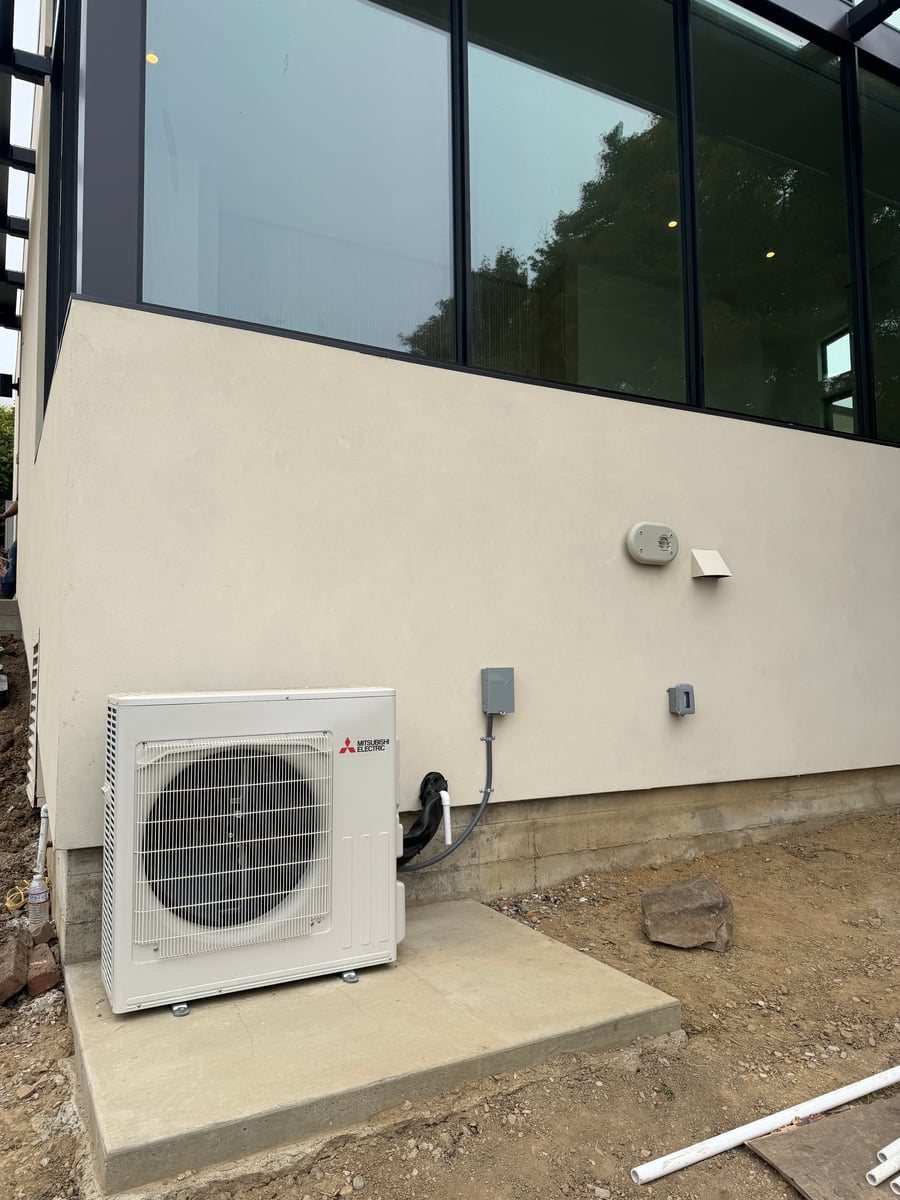
Mitsubishi mini-split installed with outstanding care. Indoor and outdoor units done right. High efficiency meant a meaningful federal tax credit too.
 Expand
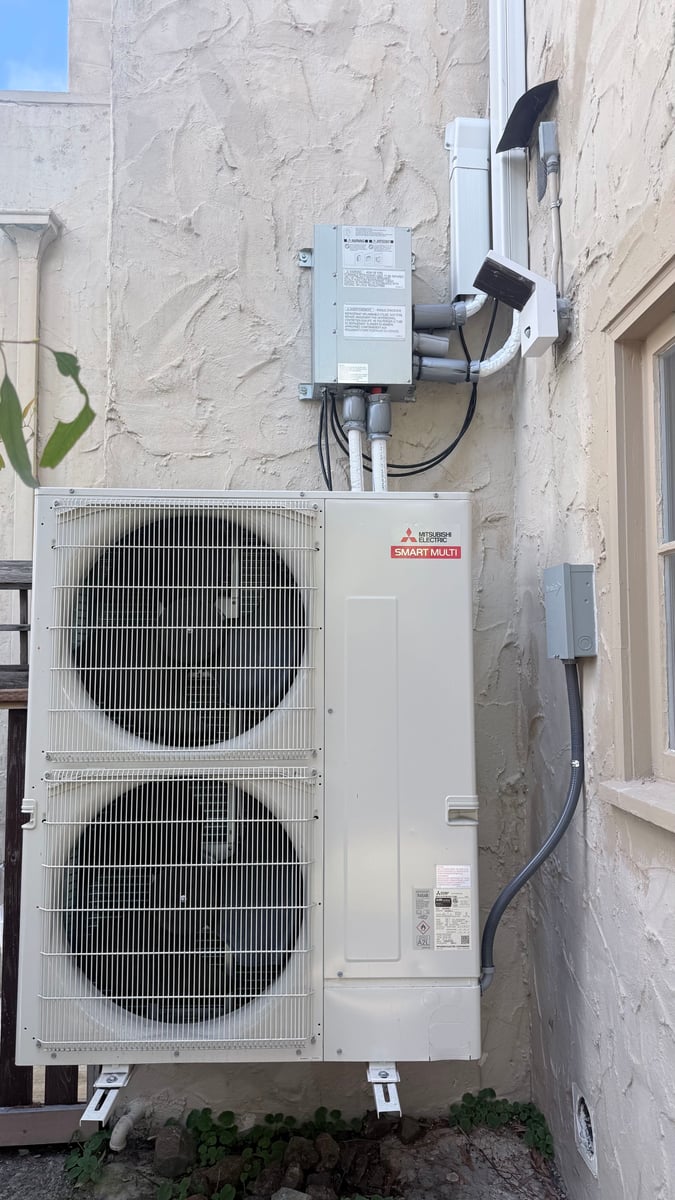
Devin and his crew did a fantastic job installing AC for our whole house. High quality Mitsubishi equipment and a clean installation throughout.
 Expand
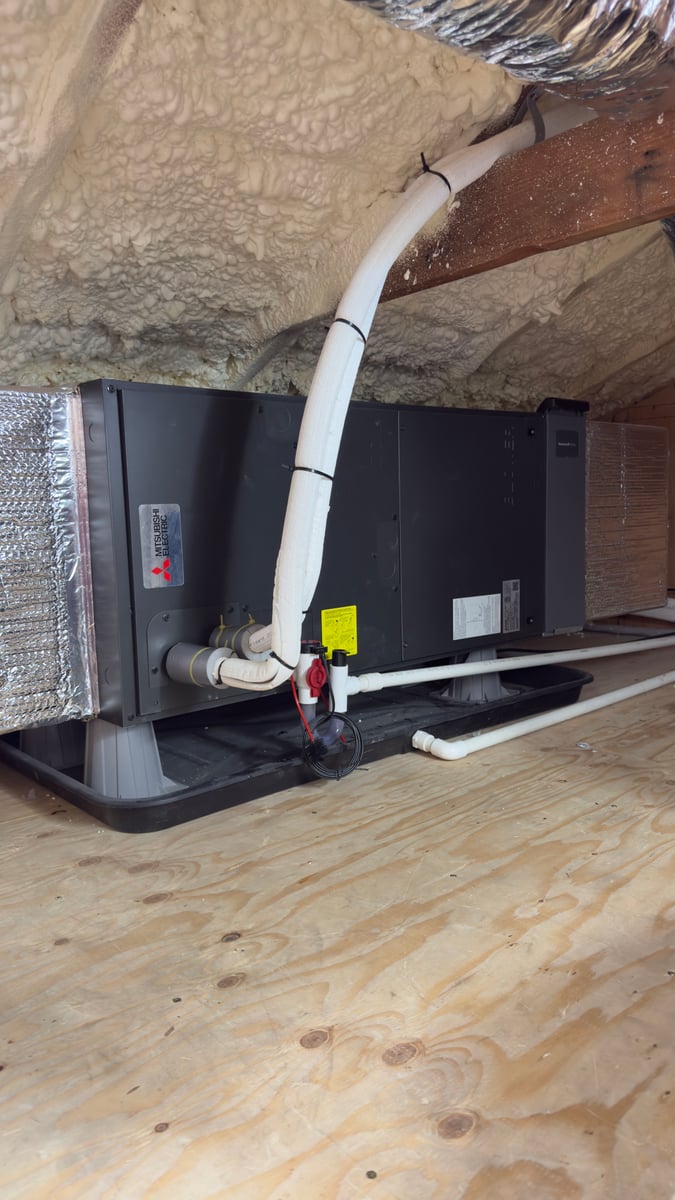
Devin is meticulous, methodical, and knowledgeable. Professional crew and a heat pump install we trust completely.
Photos from the installs above
Read all 207 reviewsSteps
In a hot-summer town, the sequence is simple: find the real peak load, pick equipment that delivers it, then make sure the air can reach every room.
We check glass exposure, attic or crawlspace conditions, existing equipment and the rooms that overheat.
Loads calculated at Livermore’s design temperatures with the home’s actual construction.
Equipment is selected from performance data at 95°F. Ducts are sized for the airflow each room needs.
We submit to Livermore Building Division, or the county if the property is outside city limits.
Replace equipment, repair ducts, run electrical and connect condensate and controls.
We test refrigerant charge and airflow and confirm the house reaches temperature, then walk you through operation.
Full scope
Replacing equipment in a hot-climate house usually means improving the duct system at the same time, so we plan both together.
Everything is tested and documented before we hand it over.
Tell us about the projectGas furnace and old condenser out, gas capped safely.
Attic or crawlspace ducts brought up to the design.
Circuits and disconnect added, panel capacity confirmed.
Capacity, airflow and charge verified, with the thermostat set up for you.
Cost
In Livermore, price is shaped by how much duct work the house needs, equipment sized for high summer peaks, electrical capacity, and whether there are detached spaces to serve. We scope these from the calculation rather than from tonnage alone.
Prices as of November 2026. Complex whole-home and design-build projects can exceed these ranges. Rebates and incentives may reduce your net project cost.
Get in touch
Describe the house, its current equipment and the rooms that struggle in summer. Include photos of the attic or crawlspace if you have them.
Project Inquiry
Thanks — your project details are on their way to 3rdGen. We’ll review them and follow up about the next step.
Working together
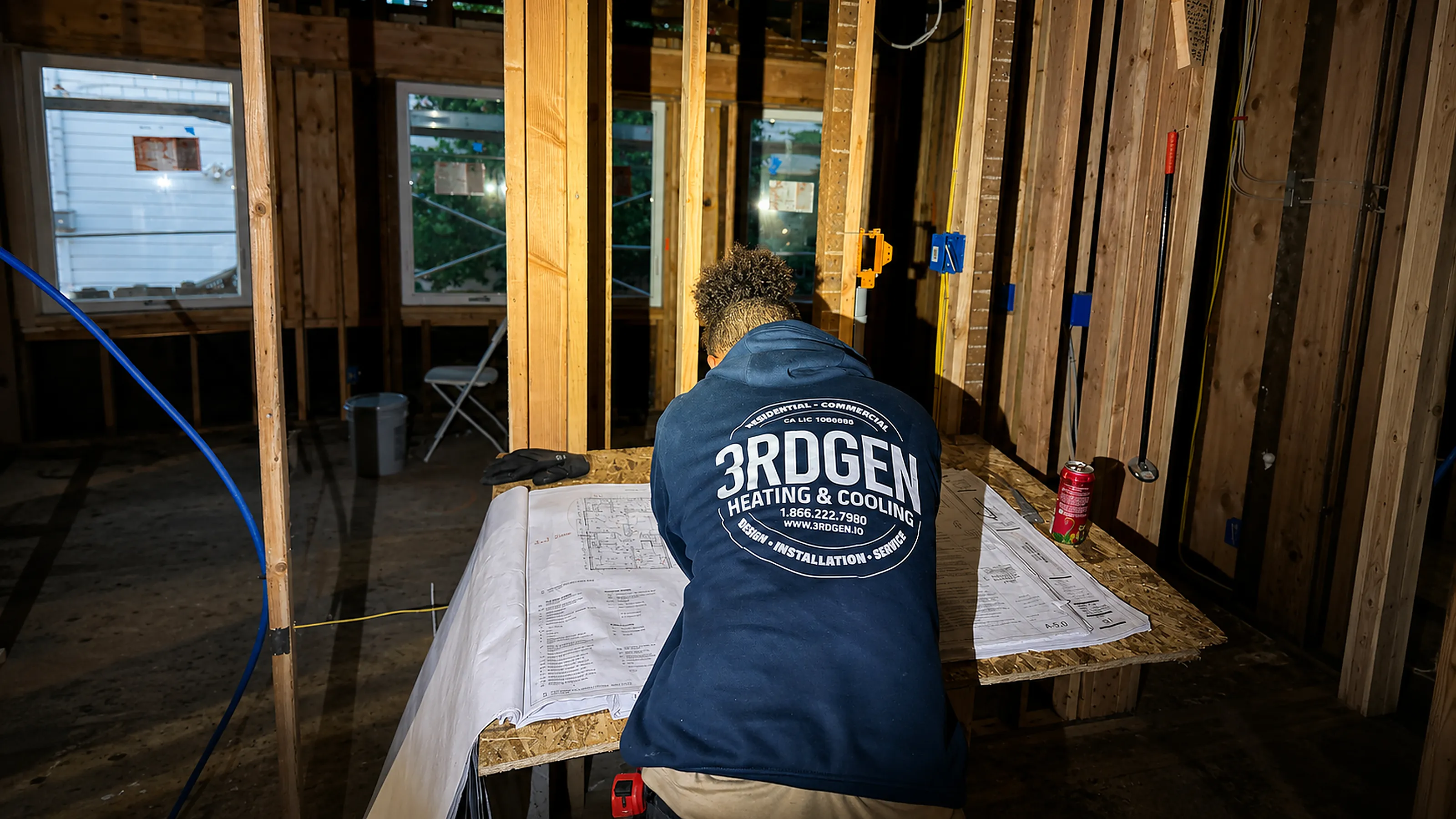
On Livermore new builds and remodels, we send load results and equipment dimensions early so ducts, closets and outdoor pads fit your plans.
We work with builders and designers in Livermore and the Tri-Valley, or directly with homeowners.
Mechanical systems coordinated around architecture, ceiling conditions, equipment locations, routing, and finish requirements.
Explore HVAC for architectsClear scope, scheduling, rough-in coordination, submittals, inspections, startup, and project handoff.
Explore HVAC for builders & GCsField execution, equipment selection, controls coordination, submittals, installation, and commissioning aligned with the mechanical design.
Explore engineering coordinationAlready assembling your own project team? We can take ownership of the mechanical scope and coordinate directly with the other professionals involved.
Start a residential projectMitsubishi Electric
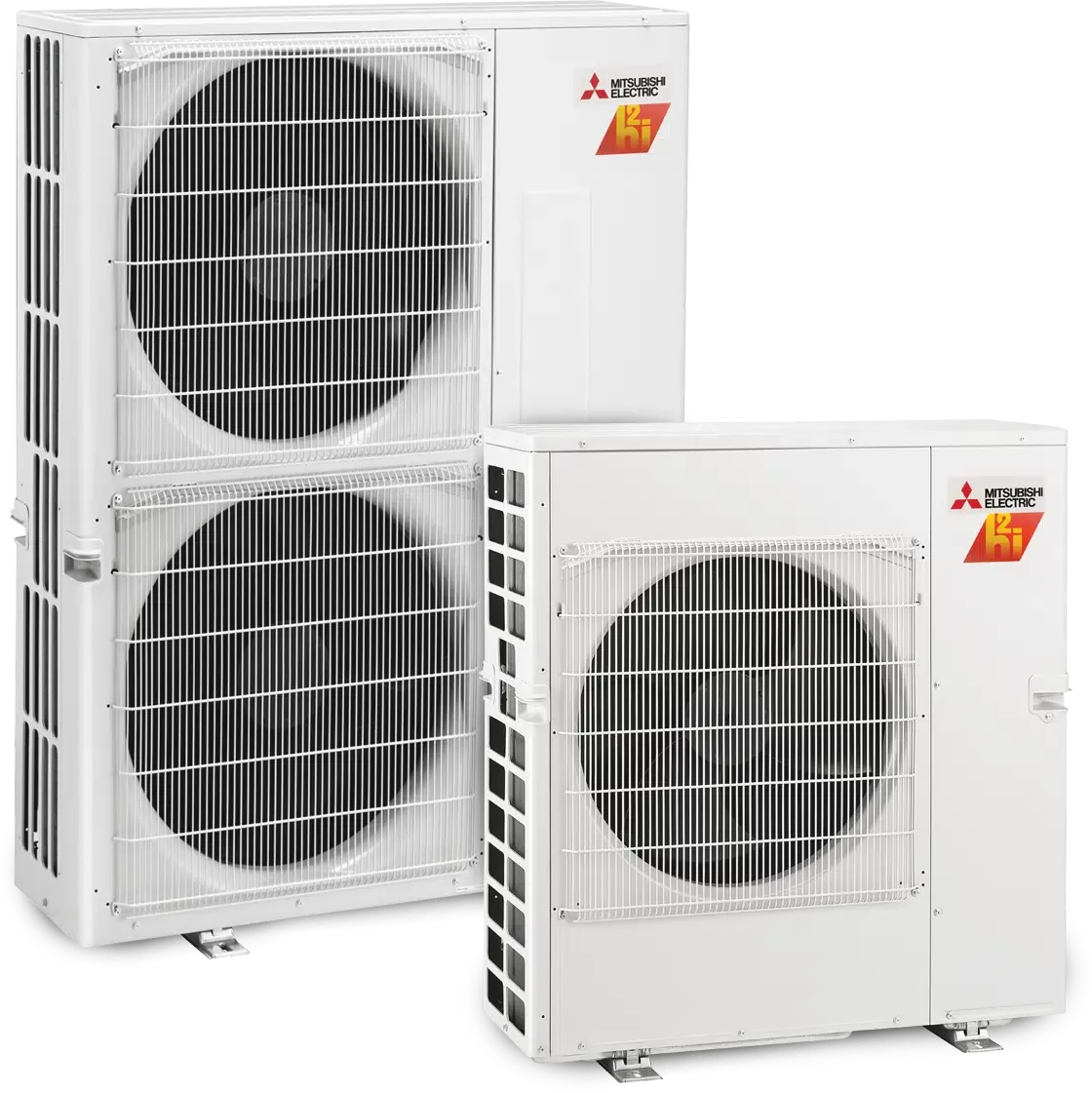
As a Mitsubishi Electric Diamond Contractor, we design and install ducted, ductless, and multi-zone systems for Bay Area homes, with factory-trained crews and longer warranty options on qualifying residential installs.
Mitsubishi is not automatically the answer to every home. We start with what the project requires and recommend the system that makes sense.


12 Year Parts &
Compressor Warranty
Extended parts & compressor coverage on qualifying Diamond installations.
Ongoing manufacturer training on the latest hyper-heat systems.
Direct factory escalation if anything ever needs attention.
FAQ
What Livermore homeowners ask about heat pumps and summer cooling.
ACCA lists 95°F as the 1% cooling design temperature, with 33°F for heating. We use those, plus your home’s actual windows, shading and attic, in the load calculation.
Yes, when it is selected correctly. Capacity drops as outdoor temperature rises, so we check the manufacturer’s data at 95°F rather than relying on nominal tonnage.
Ductless mini-splits and multi-zone systems are the usual answer, sometimes with a compact ducted unit for part of the house. The right mix depends on the layout.
It depends on their condition. We inspect leakage, insulation and sizing. Sealing may be enough, but brittle or crushed flex is often better replaced.
Yes. A small standalone heat pump sized to the building’s load is usually the best solution for detached spaces.
The City of Livermore Building Division handles properties inside city limits. Properties outside it go through Alameda County. We confirm which applies.
Ava Community Energy is the default generation provider and PG&E delivers it. Incentive programs such as TECH Clean California and BayREN change often, so we check current availability while scoping.
Nearby service areas
Project Inquiry
Thanks — your project details are on their way to 3rdGen. We’ll review them and follow up about the next step.